Why UK custom silk scarf printing is having a moment
Custom silk scarf printing in the UK has come a long way in the past decade. Digital print technology has made it possible to produce small runs of full-colour, photographic-quality artwork on silk, with hand-rolled hems and proper finishing, at prices that genuinely work for independent artists and emerging brands.
Twenty years ago, producing a custom silk scarf in the UK at a low minimum was difficult and expensive. Today, it is one of the most accessible ways to translate original artwork into a beautifully made product. The brands and artists who use UK printing well are getting genuine quality with shorter lead times and fewer logistics headaches than overseas alternatives.
Step 1: Decide on silk type and weight
The fabric you choose defines the character of the finished scarf. The four most common silks for UK custom printing are:
| Silk Type | Weight (Mommes) | Best For | Price Range |
|---|---|---|---|
| Twill silk | 14 to 16mm | Heritage scarves, art-grade printing | £35 to £60 per unit |
| Habotai | 8 to 12mm | Accessible price points, soft drape | £20 to £35 per unit |
| Satin | 12 to 16mm | Luxury accent, glossy finish | £30 to £55 per unit |
| Chiffon | 6 to 8mm | Sheer, evening-wear scarves | £25 to £40 per unit |
Twill silk in 14 to 16 mommes is the long-standing benchmark for heritage-quality printed scarves. The V&A scarves and many luxury house scarves are produced on this weight. The fabric has substance, holds detail beautifully, and drapes the way a serious silk scarf should.
Step 2: Choose your print method
UK custom silk scarf printers offer two main print methods:
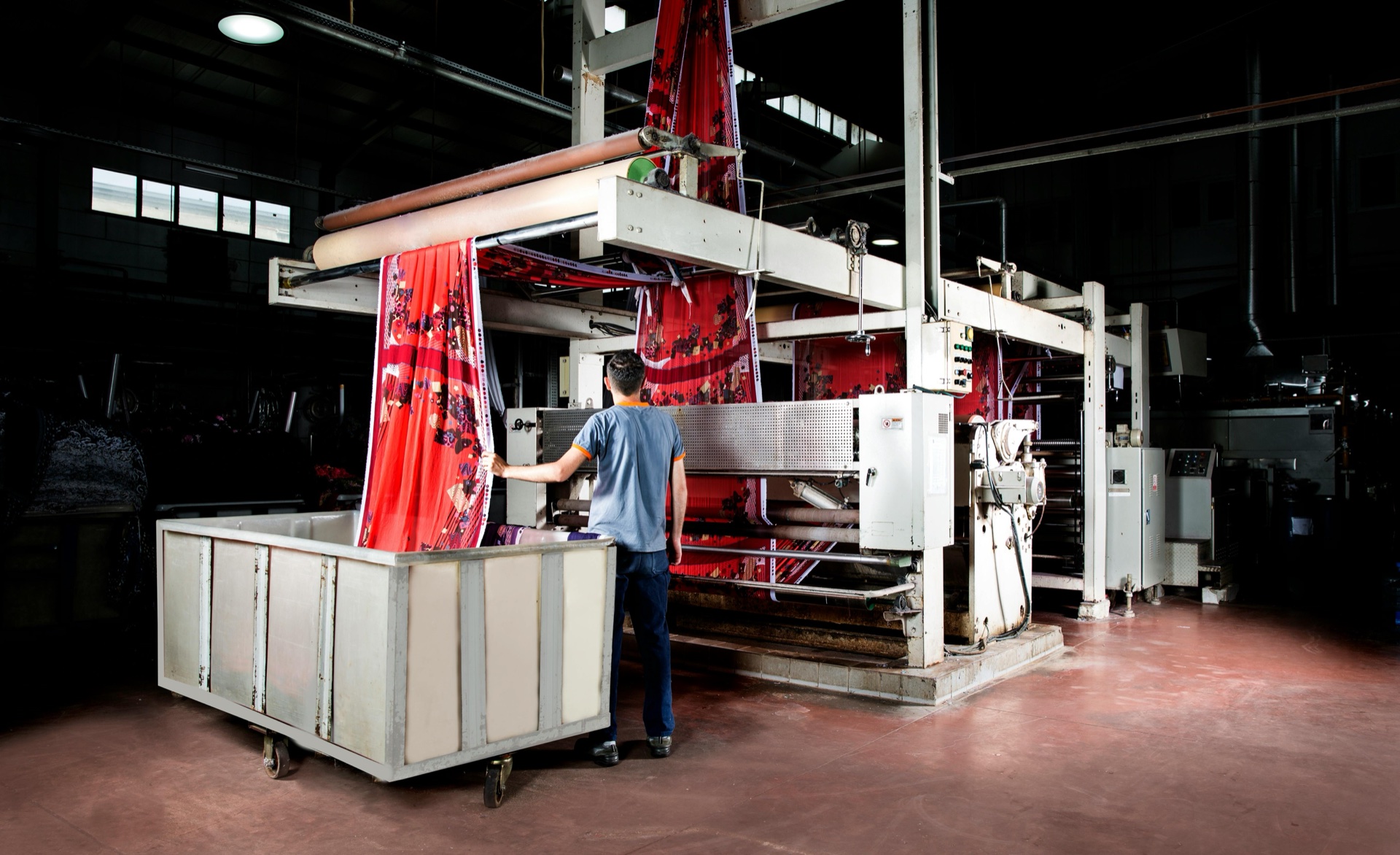
Digital print uses reactive dyes printed directly onto silk, then steamed and washed to fix the colour. Best for photographic artwork, full-colour designs, and small runs. The hand-feel after steaming and washing is virtually unchanged from unprinted silk.
Screen print uses a separate stencil per colour, with dye pushed through onto the silk. Best for limited colour palettes (typically up to 8 to 12 colours), graphic artwork, and the traditional craft heritage feel. Screen print typically requires higher minimums to amortise the screen setup cost.
For most custom silk scarf projects in the UK, digital print is the right starting point.
The fabric and print method are not just technical decisions. They define how the scarf feels, how it ages, and how it sits within the wider story of your brand or artwork.
Step 3: Prepare a print-ready artwork file
A poorly prepared file produces a poor scarf. The technical specifications you need to meet:
- Format: TIFF preferred (JPEG only if very high quality)
- Resolution: 300 DPI minimum at the final scarf size (a 90x90cm scarf needs roughly 10,630 by 10,630 pixels)
- Colour profile: CMYK or your printer’s specified profile, with Pantone references for critical colours
- Dimensions: built to exact finished size plus 1 to 2cm bleed on each edge
- Composition: the file should be laid out exactly as you want it on the scarf, with a clear understanding of where the hem will fold
If your original artwork is a painting or hand-drawing, you may need a high-quality scan or drum scan to reach print resolution. Phone photos will not work.
Step 4: Find a UK silk printer with the right capability
Not all UK silk printers offer the same range of services. When researching, check that they offer:
- Your chosen print method (digital or screen)
- A minimum order quantity that matches your planned volume
- Hand-rolled hems if you need heritage quality (machine hems are more common at low-end pricing)
- A clear sampling process with paid samples available
- Proven experience with artist-led work or fashion brand work
Many of the best UK silk printers do not have prominent websites. Trade shows, founder communities, and industry consultants are often the strongest sources of recommendations.
Step 5: Order a sample and approve it
The sample stage is non-negotiable. Order a paid sample of your exact artwork on your specified silk before committing to a bulk order. Review the sample carefully for:
- Colour accuracy against the original artwork
- Print clarity and detail in fine areas
- Hand-feel and weight of the silk
- Hem quality and consistency
- Finished size against your specification
If anything is wrong, document it with photographs and request a revised sample. A good UK printer will welcome this feedback rather than push back.
Step 6: Confirm the bulk order
Once the sample is approved, issue a signed purchase order covering:
- Final specification (silk type, weight, size, hem, print method)
- Quantity per design and total quantity
- Agreed unit price and total cost
- Sample approval reference
- Bulk lead time and delivery date
- Payment terms (typically 30 to 50% deposit, balance on delivery or before shipping)
- Delivery address
Most UK silk scarf printers deliver bulk in six to ten weeks from approved sample.
What does UK custom silk scarf printing actually cost?
Indicative pricing at low volumes (50 to 100 units per design):
- 14mm twill silk, 90x90cm, hand-rolled hem, digital print: £40 to £55 per unit
- 8mm habotai silk, 70x70cm, machine-rolled hem, digital print: £20 to £32 per unit
- 16mm twill silk, 90x90cm, hand-rolled hem, screen print (limited colours): £45 to £65 per unit
- Long stole 200x70cm, 12mm habotai, machine-rolled hem, digital print: £35 to £50 per unit
These are production costs only. Add packaging, branding, fulfilment, and your own margin to arrive at a retail price.
A well-produced UK custom silk scarf at the right price point can support retail prices from £85 for an accessible artist scarf to £250 for a heritage twill silk piece with full luxury packaging.
Where to start
If you have artwork ready and a clear specification in mind, the next step is to identify three or four UK silk printers who match your specification and request quotes from each. The comparison process itself is informative.
For artists and brands who want supported guidance through specification, manufacturer selection, sampling, and finished delivery, the design and sampling service is built around the full process. The Art to Merchandise Course covers the same ground in self-paced detail. And the contact page is the place to start a conversation about a specific project.