Why tote bags work as artist merchandise
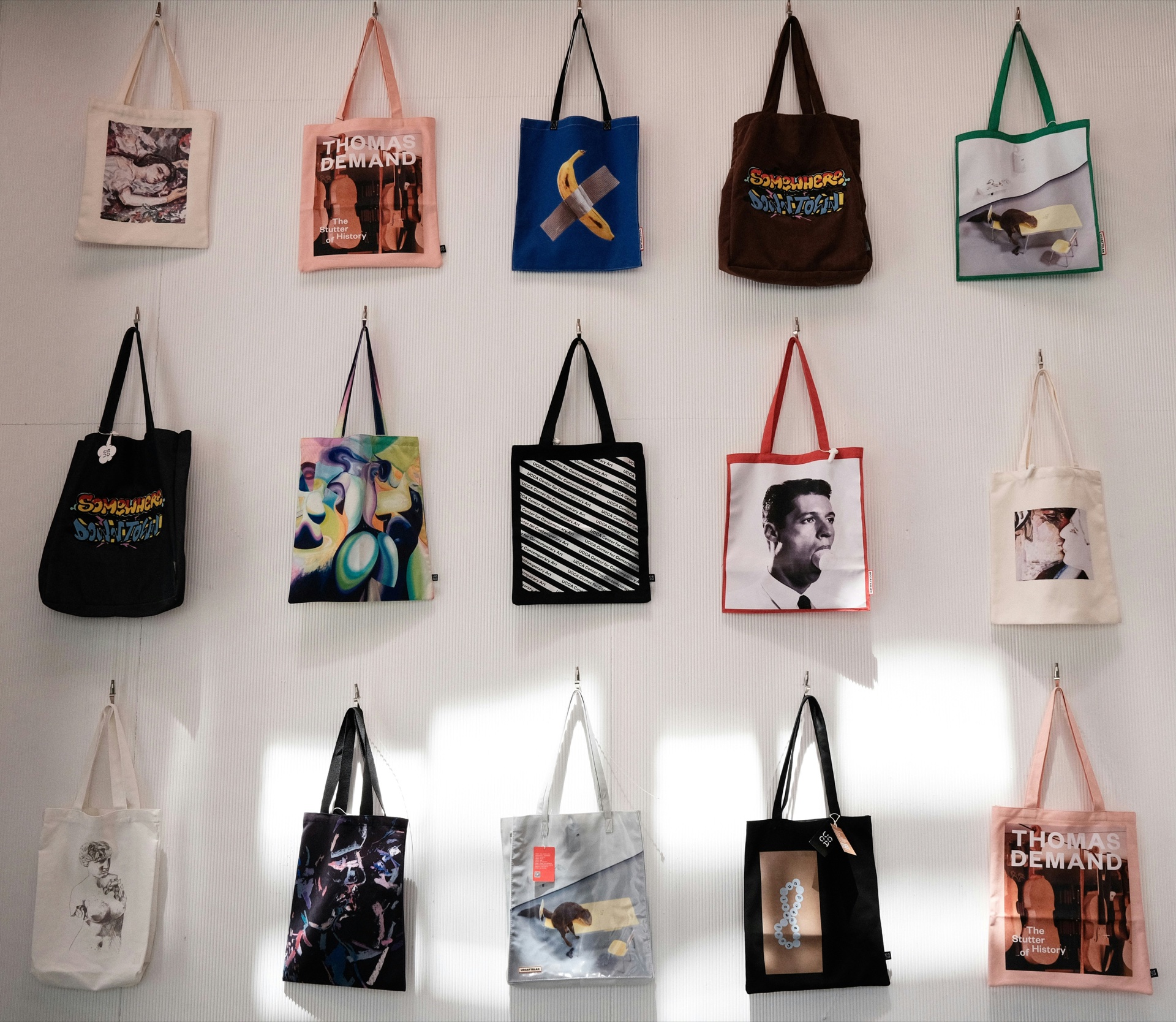
A tote bag is one of the most accessible products an artist can produce. The cost of entry is low, the minimums are achievable, and a well-designed tote becomes a walking billboard for your artwork in a way few other products do. For artists building a merchandise line alongside their art practice, the tote is often the first product to introduce.
The challenge is that not all custom tote bags are created equal. The difference between a £4 tote and a £15 tote sits in the fabric, the construction, the print quality, and the packaging. Getting these right is what makes a tote bag worth selling at the price your artwork deserves.
Step 1: Choose the bag fabric and construction
The fabric and construction define the perceived value of the finished tote.
Fabric options:
- Lightweight cotton (5 to 7 oz): soft, drapes well, suits everyday casual totes and event giveaways
- Mid-weight canvas (8 to 10 oz): the most common for retail, holds shape, suits art prints and merchandise
- Heavyweight canvas (12 to 16 oz): premium, structured, suits larger artwork and luxury price points
- Organic certified cotton: GOTS or OEKO-TEX certified, increasingly expected by conscious buyers
- Recycled cotton or canvas: made from textile waste, strong sustainability story
Construction details that matter:
- Reinforced bottom (gusseted or boxed)
- Strong, evenly-stitched handle attachment
- Inside seam finishing
- Optional inside pocket
- Handle length appropriate for shoulder carry
For an art-grade tote selling at £15 to £25, mid-weight to heavyweight organic canvas with reinforced construction is the right starting point.
The bag itself is part of the product. A great print on a flimsy bag undermines the work. The fabric, construction, and finishing all need to live up to the artwork.
Step 2: Decide on print method
The right print method depends on your artwork, colour count, and quantity.
| Method | Best For | Min Order | Cost Per Print |
|---|---|---|---|
| Screen print | Bold, limited-colour artwork, larger runs | 25 to 50 | £0.80 to £3.50 |
| DTG (digital) | Photographic, full-colour, smaller runs | 1 unit | £3 to £7 |
| Sublimation | All-over prints on poly blends | 25 to 50 | £4 to £10 |
| Embroidery | Logos, small motifs | 25 to 50 | £2 to £6 |
For most artists with a clear, defined artwork and runs of 50 to 500 units, screen print is the right choice. The result is durable, washes well, and has the slightly textured ink-on-fabric quality that suits art-led merchandise.
For very detailed photographic or painterly artwork at low volumes, DTG works but the longevity through washing is shorter than screen print.
Step 3: Prepare a print-ready artwork file
A poorly prepared file produces a poor tote. Specifications:
- Format: vector preferred (AI, EPS) for screen print; high-resolution TIFF or PNG (300 DPI) for DTG
- Colour: specify Pantone references for critical brand or artwork colours; supply CMYK or printer-specified profiles
- Sizing: prepare the artwork at the actual print size you want on the bag (typically 28x32cm or smaller for an A4-equivalent print area)
- Background: transparent for prints that should sit directly on the bag fabric
- Bleed: not usually required for tote prints, but check with your printer
If your original artwork is hand-drawn or painted, commission a high-resolution scan. Phone photos will not reproduce well at scale.
Step 4: Find a manufacturer that works with artists
UK and European tote bag printers are well suited to artist work, with low minimums and good craft standards. Look for:
- A minimum order quantity that matches your volume (typically 50 to 100 units per design for UK printers)
- Your chosen print method (screen, DTG, sublimation)
- Organic or sustainable bag options if relevant to your brand
- A clear sampling process
- Experience working with artist-led work or independent brands
Avoid the highest-volume merchandise printers if you want art-grade quality. Their economics are built around large runs and standardised quality rather than careful artist work.
Step 5: Order and approve a sample
The sample is non-negotiable. Order at least one sample of your exact artwork on the bag you have specified. Review:
- Print colour against the original artwork
- Print clarity, especially in fine details
- Print placement (centred, sized correctly)
- Bag fabric quality and weight
- Construction at handles, base, and seams
- Wash test: hand-wash the sample to check the print holds
If anything is wrong, request a revised sample.
Step 6: Place the bulk order with packaging specification
Once the sample is approved, confirm the bulk order with:
- Bag specification (fabric, weight, size, colour, certifications)
- Print specification (method, artwork, colours, size, placement)
- Quantity per design
- Packaging requirements (tissue paper, hang tag, care label, gift box)
- Lead time and delivery date
- Payment terms
For artist merchandise, the packaging matters as much as the product. A well-presented tote with a hang tag and care card commands a higher price and is more likely to be gifted.
What does custom tote bag printing actually cost?
Indicative production costs at low volumes (50 to 100 units):
- 8 oz cotton canvas, screen print one colour, simple bag: £4.50 to £7 per unit
- 10 oz organic cotton, screen print 2 to 3 colours: £7 to £11 per unit
- 12 oz heavyweight canvas, screen print full design: £10 to £15 per unit
- Organic certified cotton, DTG photographic print: £9 to £14 per unit
Retail pricing for artist totes typically ranges from £15 for an entry-price tote to £35 for a heavyweight organic canvas tote with hang tag and care card.
A well-produced artist tote is one of the highest-margin merchandise products. The cost of production is low; the perceived value when properly presented is high.
Where to start
If you have artwork and want to move it onto a tote bag, the next step is to choose the bag specification (fabric, weight, size) and prepare your artwork file at print resolution. With those two pieces in place, contacting a manufacturer becomes a structured conversation rather than an open question.
For artists who want guided support through merchandise development, the Art to Merchandise Course covers the full process from artwork to product to selling. The design and sampling service provides hands-on manufacturer matching and production management. And the contact page is the place to discuss a specific project.