What does it actually take to start a clothing line in the UK?
Starting a clothing line in the UK in 2026 is genuinely accessible if you go in with a clear plan and realistic expectations. The brands that succeed are not always the ones with the biggest budgets. They are the ones that pick their customer carefully, build a focused range, and execute well at each stage.
The seven steps below are the same ones I have walked through with the 50+ independent brands I have helped to launch over the past 20 years. They apply whether you are producing in the UK, in Portugal, in India, or in Turkey.
Step 1: Validate the niche and customer
Before you draw a single sketch or call a single factory, the most important thing you can do is identify exactly who your clothing is for. A specific customer with a specific need is a far stronger foundation than “women aged 25 to 45 who love fashion.”
Validation looks like:
- Interviewing 15 to 20 potential customers about their wardrobe, the gaps they feel, and what they currently buy
- Testing demand with a waiting list, a pre-launch landing page, or a small drop on social media
- Studying the brands those customers already buy, and identifying where you can do something genuinely different
A waiting list of 200 to 500 named, opted-in potential customers before you place a production order is one of the strongest validation signals you can have.
Step 2: Develop a focused first collection
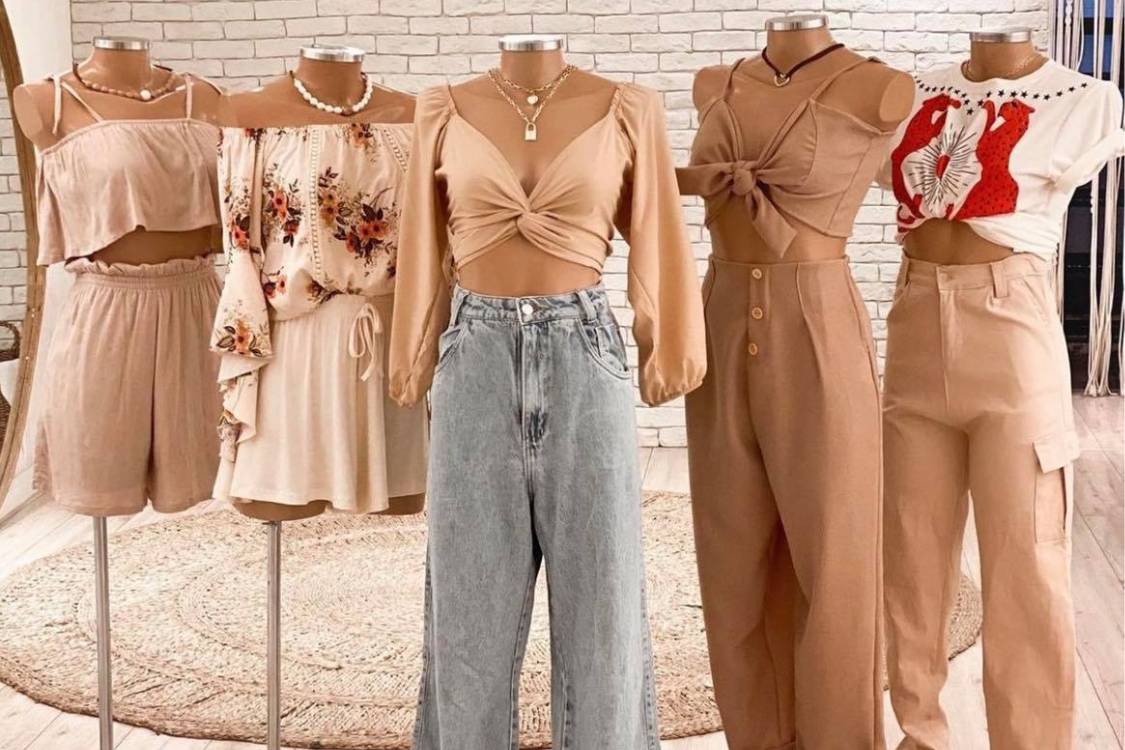
A first collection should be small. Six to twelve carefully chosen styles works far better than 30 styles that dilute your brand and your cash. Each style should have a role in the range:
- Entry-price pieces that bring people in
- Mid-tier styles that drive volume and define the brand
- One or two hero pieces that anchor the collection and protect margin
A tight collection is a strategy. Every piece should earn its place by either bringing customers in, driving volume, or defining what the brand stands for.
Step 3: Build a tech pack for every style
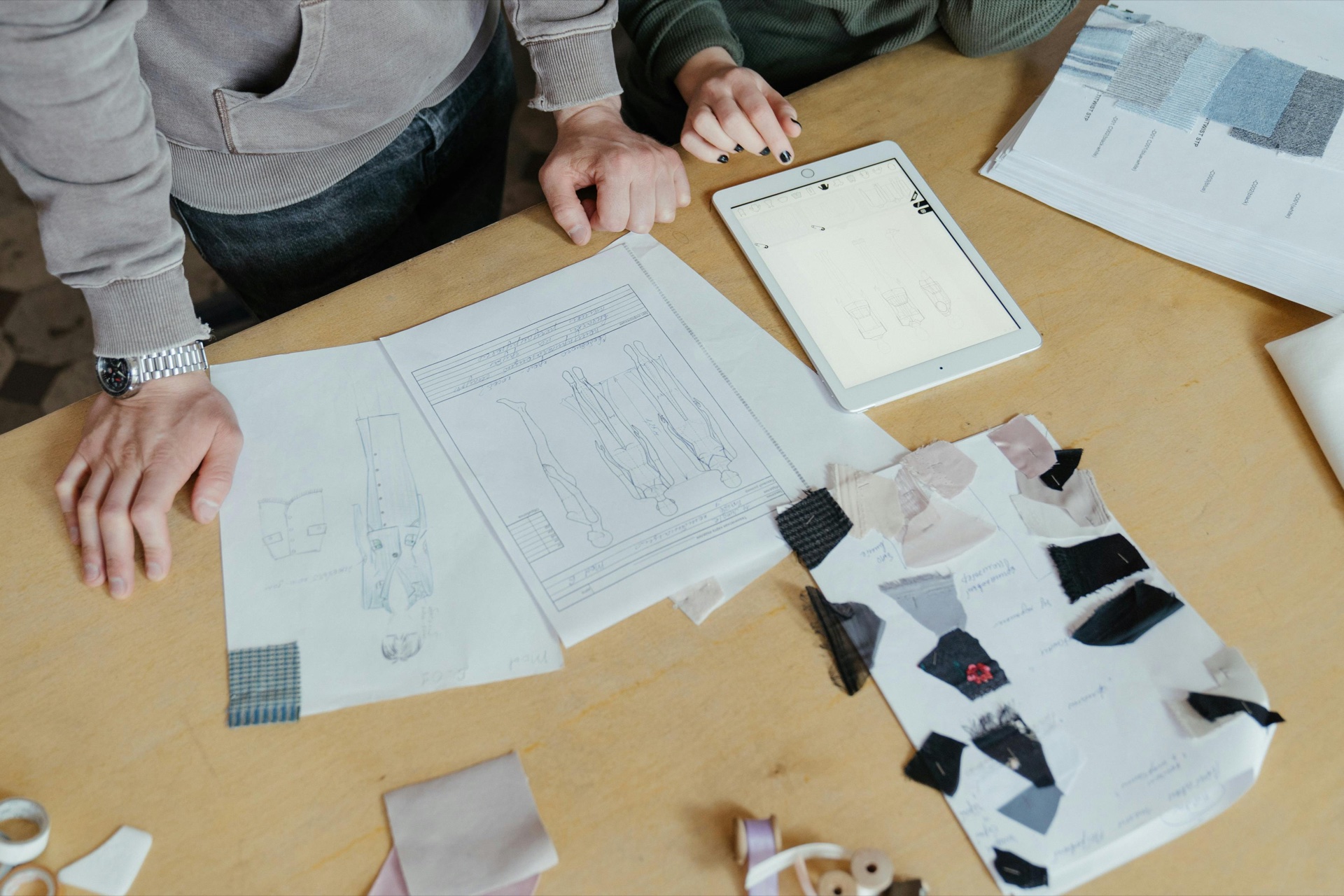
A tech pack is the document a manufacturer uses to cost and produce your garment. It includes:
- Technical drawing with measurements
- Fabric specification (weight, composition, supplier)
- Trims and components (zips, buttons, labels, threads)
- Construction notes (seams, stitching, finishes)
- Grading information for sizing
- Care label content
A clear tech pack is what separates a serious brand from a hobby project, in the eyes of a manufacturer.
Step 4: Find a manufacturer that matches your volume
UK manufacturers typically work with minimums of 50 to 200 units per style and colourway. European partners (Portugal, Italy) often start at similar levels. India and Turkey can be more flexible at the lower end. China is generally for larger volumes.
Before committing, vet each candidate by:
- Requesting references from current brand clients (and calling them)
- Reviewing their certifications (GOTS, Fair Trade, OEKO-TEX where relevant)
- Producing a sample to confirm quality and communication
- Checking their policy on subcontracting and overtime
Step 5: Sample and approve production
The sample stage is where issues are caught and fixed. For each style, expect to go through one to three rounds of sampling before the garment is right.
What to check on each sample:
- Fit on a real fit model in your size range
- Fabric weight, hand-feel, and colour against the original specification
- Construction quality at stress points (seams, zips, hems)
- Finishing details (label placement, hangtag, packaging)
Only approve production when every detail is correct. A small fix at the sample stage is cheap. The same fix on 200 finished garments is a disaster.
Step 6: Price for profit
Pricing a clothing line is not about marking up cost by an arbitrary multiplier. It is about understanding your full landed cost, including:
- Garment cost from the factory
- Shipping and import duties
- Fabric, trims, and labels you supply
- Sample development costs spread across the run
- Packaging, labelling, and fulfilment
Then add the margin needed to cover overheads (marketing, salaries, returns) and deliver profit. For most independent fashion brands, a healthy retail markup is 2.5 to 4 times the landed cost.
The brands that grow are the ones that understand their numbers from the first style. The ones that struggle are the ones that price by feel and discover their margins do not cover their costs.
Step 7: Plan a sequenced launch
A launch is not a date. It is a 12 to 16 week sequence covering:
- Pre-launch (8 to 12 weeks out): audience building, content, email list growth
- Launch week: drop, PR outreach, paid media support, influencer activation
- Post-launch (4 to 8 weeks): retention emails, second drop teasers, learning from the data
A small brand with a strong launch sequence will outperform a larger brand with no launch plan, almost every time.
A realistic budget for a UK clothing line launch
For a focused first collection of six to ten styles, expect a total launch budget in the range of £8,000 to £25,000, depending on:
- Production volume (50 vs 200 units per style)
- UK vs overseas manufacturing
- Photography and content investment
- Paid media spend at launch
- Packaging and branding
For a deeper breakdown of these costs, read Pricing Your Fashion Brand which includes a free pricing calculator you can download from the resources page .
Where to start
If you are at the beginning of starting a clothing line, the best first move is to spend two weeks on customer interviews and validation before any other work. The clarity that comes from real customer conversations is worth more than any amount of design work done in isolation.
For founders who want a complete system to take a brand from idea to launched, the BTDB Fashion Founders Course covers all 12 chapters in depth with templates, frameworks, and case studies. For founders who want one-to-one guidance through the process, brand mentoring is available, and the contact page is the place to start that conversation.