Susan Gordon
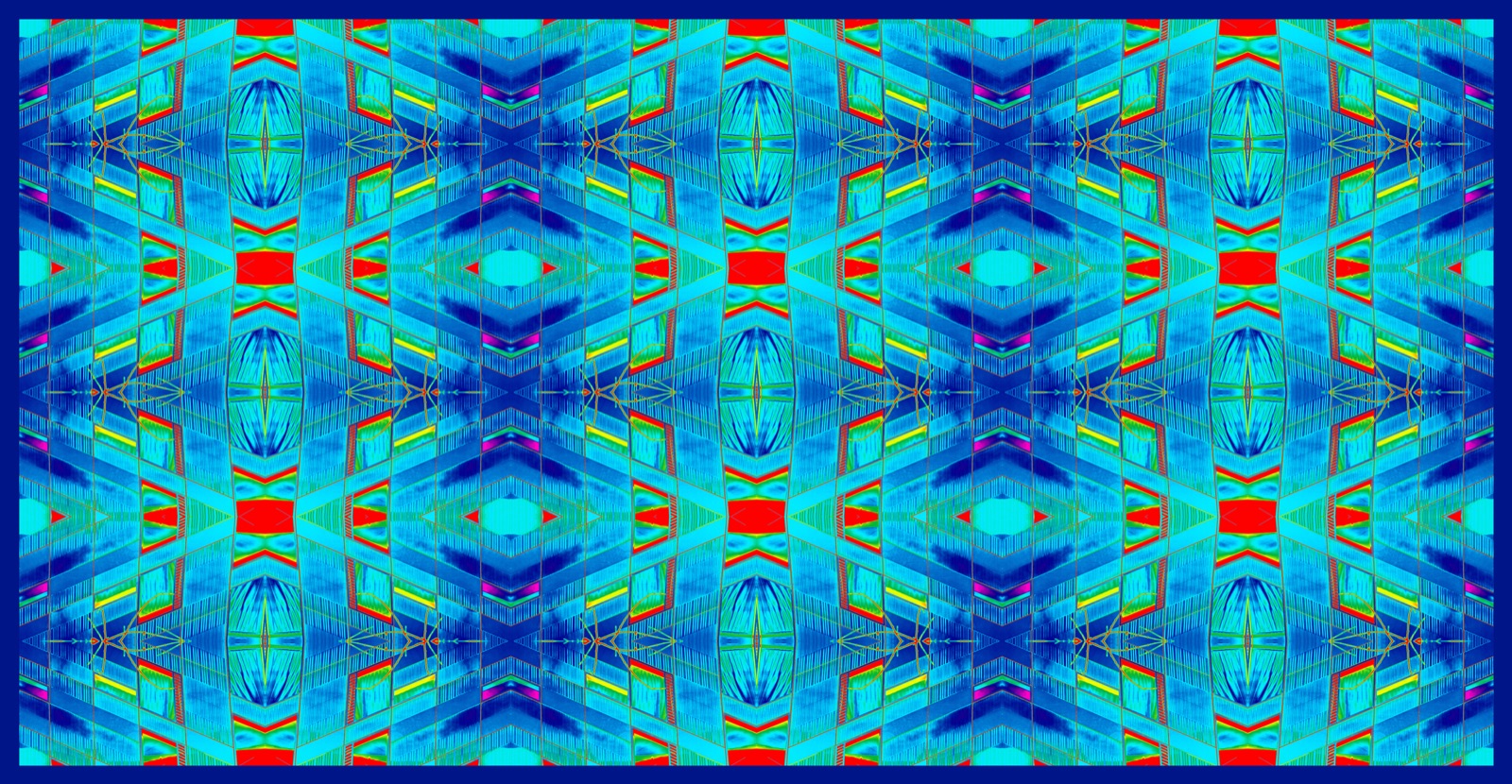
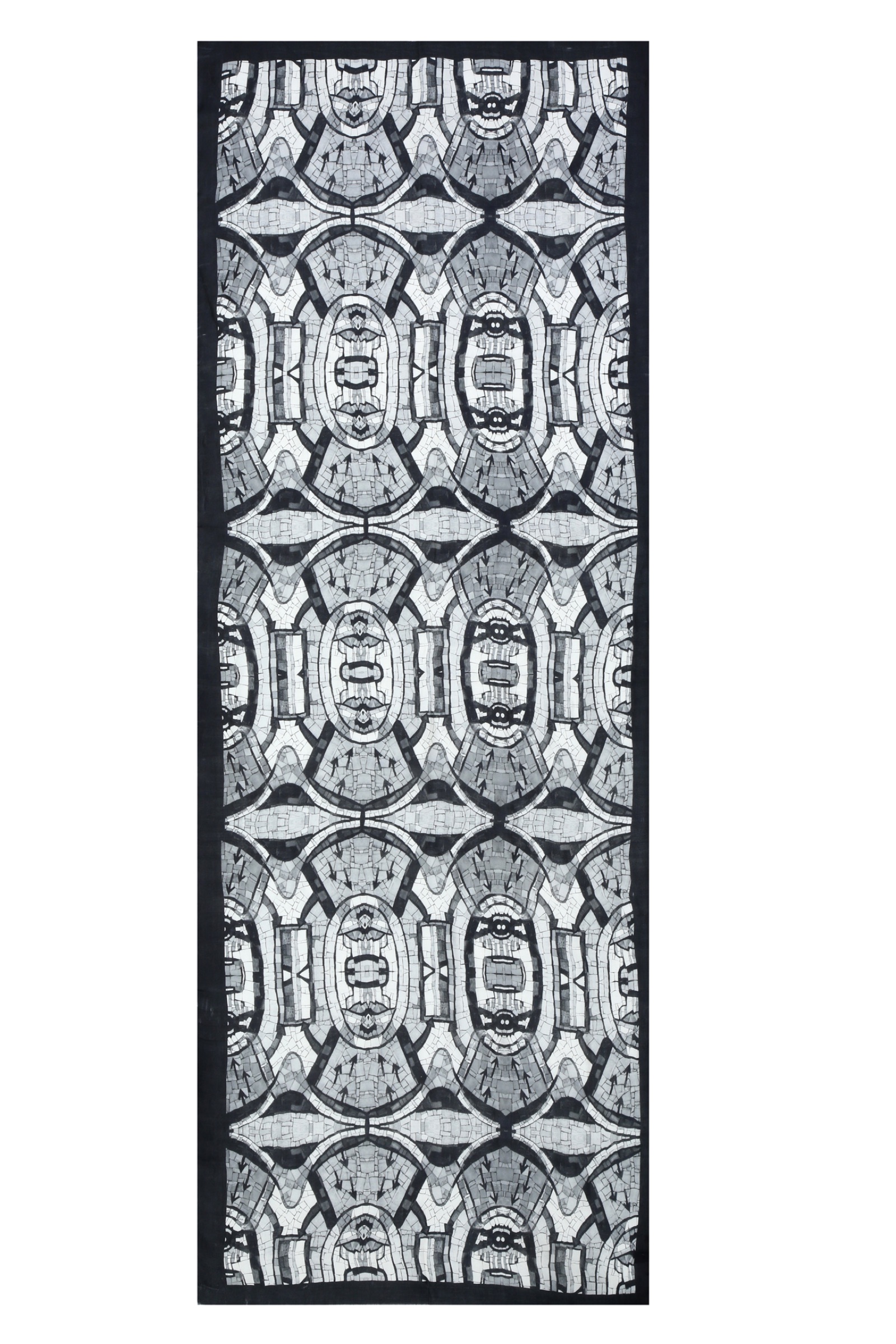
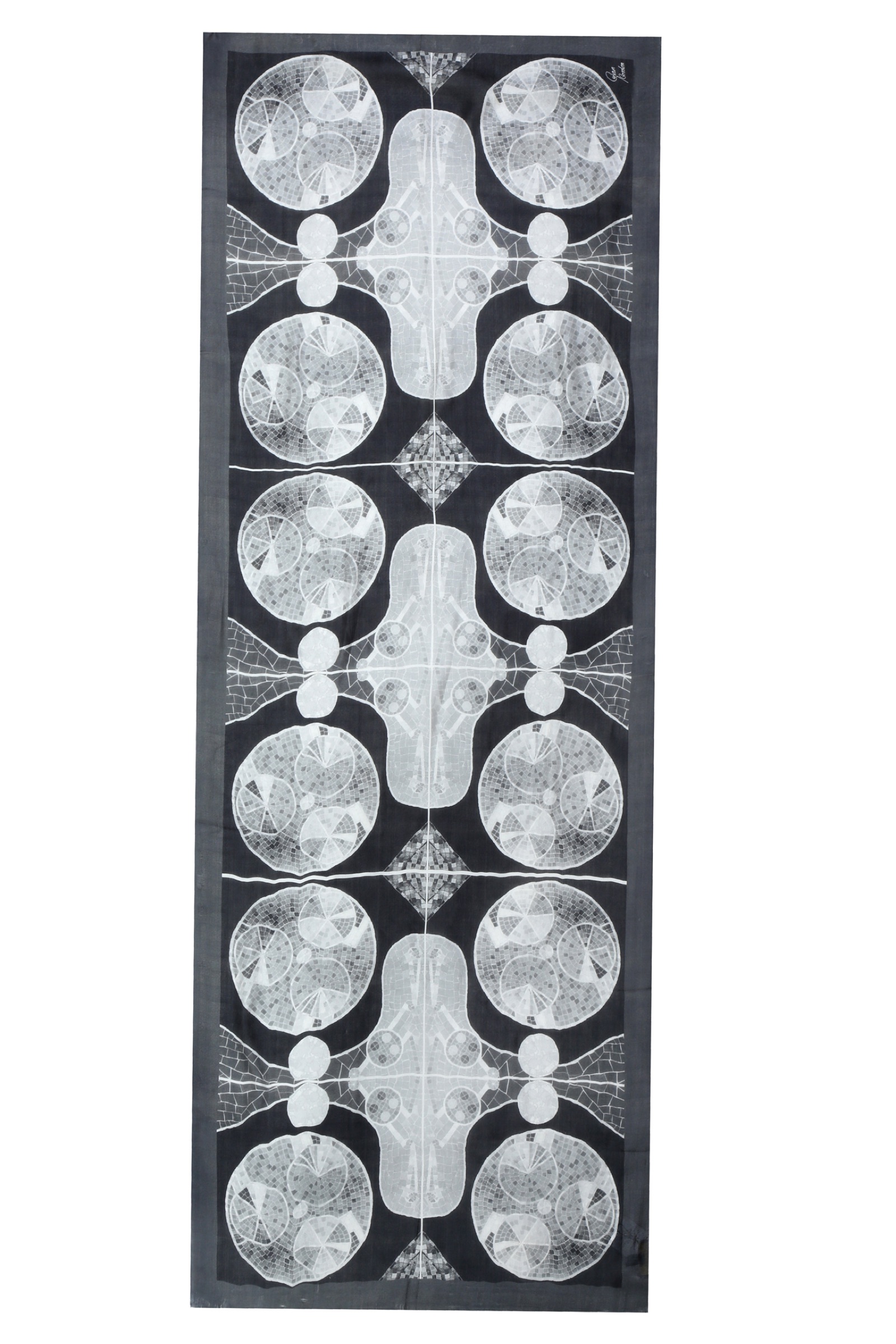
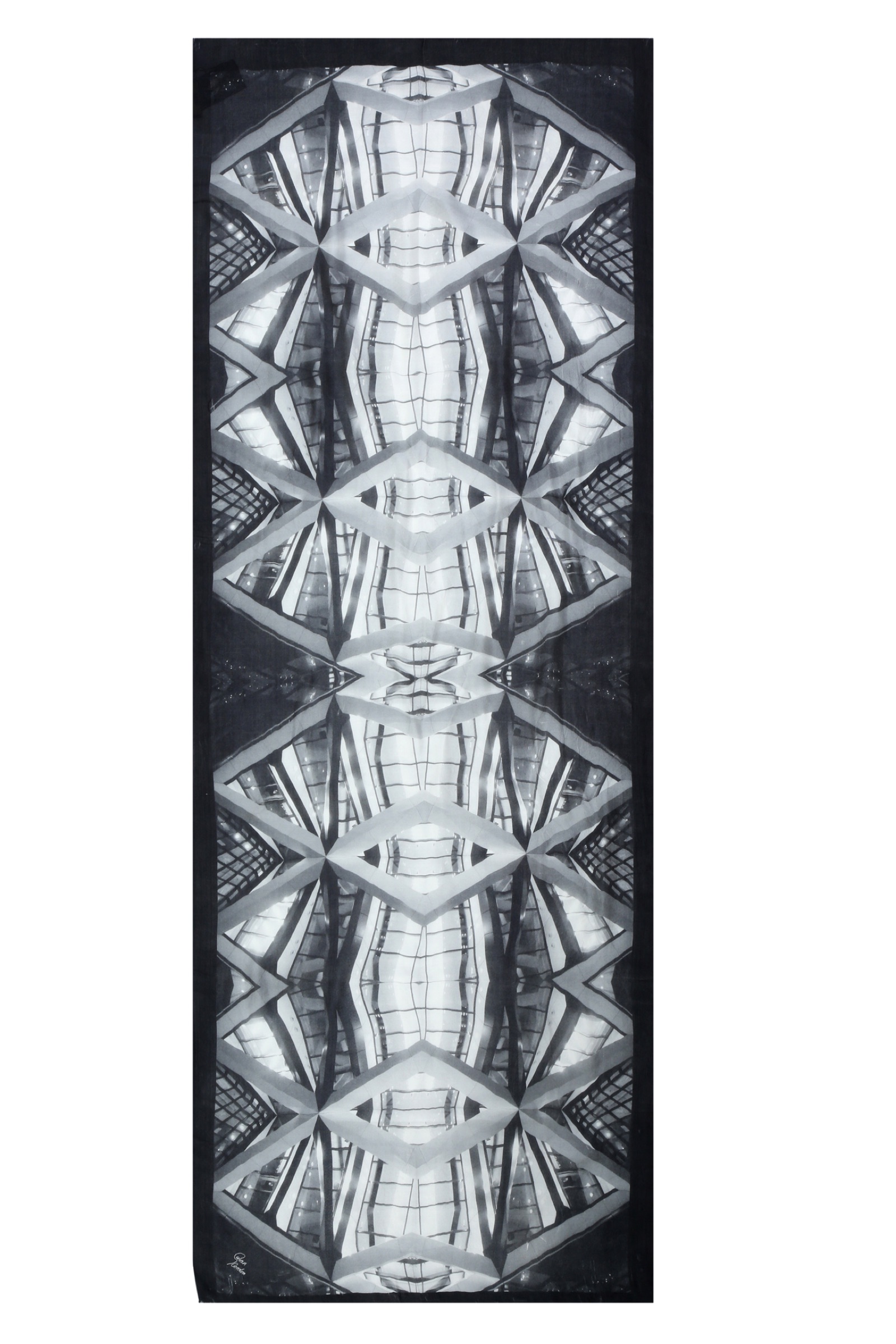
Susan Gordon – London Architectural Photography Translated into Wearable Products
Published
Summary
Susan Gordon, a London architectural photographer, wanted to turn her striking images into a product range without the financial risk of large production runs. Bhavna Rishi London translated her photography into product concepts, sourced fabric suitable for fine photographic detail, and secured small-minimum manufacturing, giving Susan a clear path from portfolio to product.
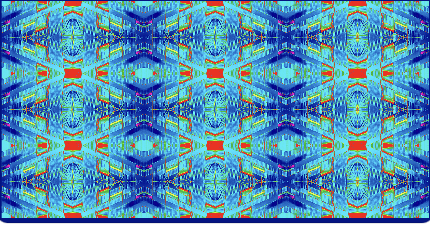
The starting point
Susan Gordon photographs London architecture. Her images are precise and atmospheric, buildings caught in particular light, structures that look different depending on how you see them. The kind of photography that stops people.
She had a growing sense that her images could live beyond the frame, as products people could wear or use. But the textile and fashion world felt entirely unfamiliar. She had no idea where to begin, and she had a specific concern about the financial exposure of large production runs before she knew whether the market existed.
What the work involved
Thinking about the photography as a product. Before any production decisions, the question was: which images translate to fabric? Not every great photograph works at scarf scale or on a textile surface. The selection process was about understanding which of Susan’s images had the visual weight and detail structure to carry through the translation.
Fabric for photography. Photographic images on fabric require a surface that handles fine tonal gradation, subtle transitions of tone and colour that a photograph contains and that a coarser fabric will lose. The fabric choice was made specifically to preserve what makes Susan’s photography distinctive.
Small-minimum manufacturing. The financial concern was real and reasonable. A first production run should be small enough to test the market without significant exposure. Sourcing manufacturing partners willing to work with small minimums, while maintaining quality, is one of the decisions that determines whether a photographer can enter the product market or not.
Sampling to establish confidence. The sample process gave Susan the ability to see her photography on fabric before committing to a full run, adjusting colour and scale until the product matched what she had imagined.
The result
Susan went from holding a portfolio to holding a sample, and then a product. The process gave her the clarity to understand what production actually involves, the confidence that her photography translated, and the manufacturing setup to move forward at a scale that made commercial sense.
The pathway from portfolio to product range is now clear.
It was a joy to meet Bhavna and to collaborate to explore the potential of my artwork.
Ready to Build Your Dream Brand?
Get the complete fashion business system: 12 chapters, 50+ templates, and 20 years of experience packaged into one course. Or book a free strategy call for personalised guidance.