The argument is missing the point
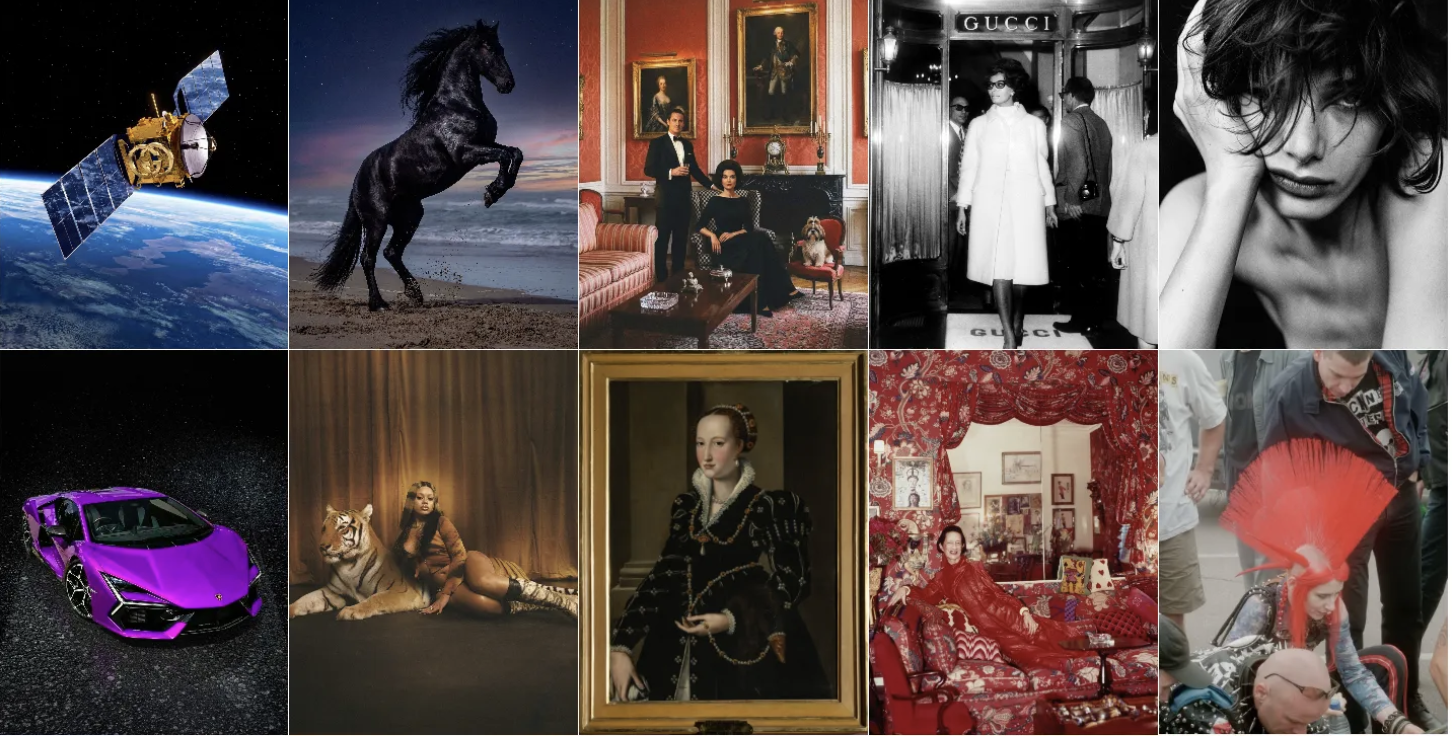
Everyone is arguing about whether Gucci should have used AI-generated images to tease its Milan show, and whether it is fair to call them AI slop. I think the argument itself is missing the point. The question is not whether we use AI in fashion. It is here, and it is not leaving. The question is whether we learn to use it well.
I have been experimenting myself, with Claude and other AI engines, making aspirational images for products. The results have been a real mixed bag, and that is exactly why it is worth doing. Sometimes all I want is to test the styles and the styling of a piece, to see it before I commit, so I can then go and make it properly in real life. You only learn what works, and what a customer will actually accept, by getting your hands into it.
Running AI for you, rather than creating AI slop
Here is what I have come to believe. AI can absolutely sit alongside a brand built on craftsmanship and heritage. But only if it is used mindfully, to add to the experience, never to become the whole experience.
Think about a painting. When an artist makes one, it carries their story, their brushstrokes, their vision, the imagination and creativity that only that person had. AI can produce a technically beautiful piece of art, perhaps more polished than the original. But what is its story? What is it actually worth? The soul is not there.
Now use AI differently. Take that artist’s real painting and use AI to show it hanging in different rooms, in the kind of homes and settings where someone might live with it. The story and the creativity are still entirely the artist’s. What you have added is the imagination of where it could belong, and that helps people see it, want it, and buy it. That is AI used to lift a human creation, not to replace it.
A product is no different. Using AI to show a piece in an aspirational setting, a walk through the city, a long lunch, dinner out, a day at the beach, is exactly the right kind of use. You are showing people the life the product could be part of.
But none of that replaces the real thing, and this is the part that matters most. An ecommerce image made with AI is fine, as long as it sits alongside a real human wearing the product, showing the fit, the colour, the texture and the way it moves once it is on a body.
The AI image sells the idea. The real person tells a story: behind the scenes, the colour, the fit, the complete process from design to styling it. You need both.
So is it fair to call AI imagery slop?
Sometimes, yes, but not for the reason people assume. The slop is not the technology. It is what happens when AI becomes the entire experience and the human is quietly removed, when the shortcut is the whole point. Running AI for you is the opposite of that. It is using the tool to carry your story further, not to hand the story over altogether.
Gucci’s images caused a stir not because AI touched them, but because, for a house that sells craftsmanship and heritage, it felt as though the craft itself had been handed to a machine. The lesson is not to avoid AI. It is to keep AI in service of the human, never the other way round.
How I would use AI to complement a brand
Test the styling before you make it. Mock up how a piece could look and be styled, refine the idea on screen, and then go and create it for real. It saves time, money and a great deal of guesswork.
Place the product in an aspirational world. Show a piece on a city street, at dinner, on the beach or at a summer lunch, so a customer can picture it in their own life before they ever try it on.
Gauge demand before you commit. Put an AI visual in front of your audience to test real interest, gather pre-orders and proper numbers, and produce to genuine demand. In an industry that overproduces on a frightening scale, that alone is worth it.
Let the data guide your range. Use AI to read your colour, sizing and returns figures and show you what is actually being bought and kept, so you build a range on evidence and test it for traction before you spend on design and development.
Use it for the launch and the mood, not the substance. A launch tease or a mood-setting campaign image is a perfect job for AI, and even a larger brand can present a collection this way and save the considerable cost of a full show.
Always pair the AI image with a real one. Whatever the AI shows, put a real person in the real garment beside it, showing the true fit, colour, texture and movement. The AI sells the idea. The human tells the story: behind the scenes, the colour, the fit, the complete process from design to styling it.
The way forward
None of this is fully settled, and it does not need to be. We should all get our hands into AI, try things, fail a bit, and find what works and what feels right to the people we are making for. It is here to stay. Used mindfully, with the human kept firmly at the centre, it does not replace the craft. It carries it further. That, to me, is the way forward.
What have you tried, and what results did you get? I would love to hear your experiences. If you are working out how AI fits alongside the real making of your brand, let’s talk.